

A recent dsm-firmenich case study offers an interesting new perspective on blood carotenoids as biomarkers in poultry nutrition.
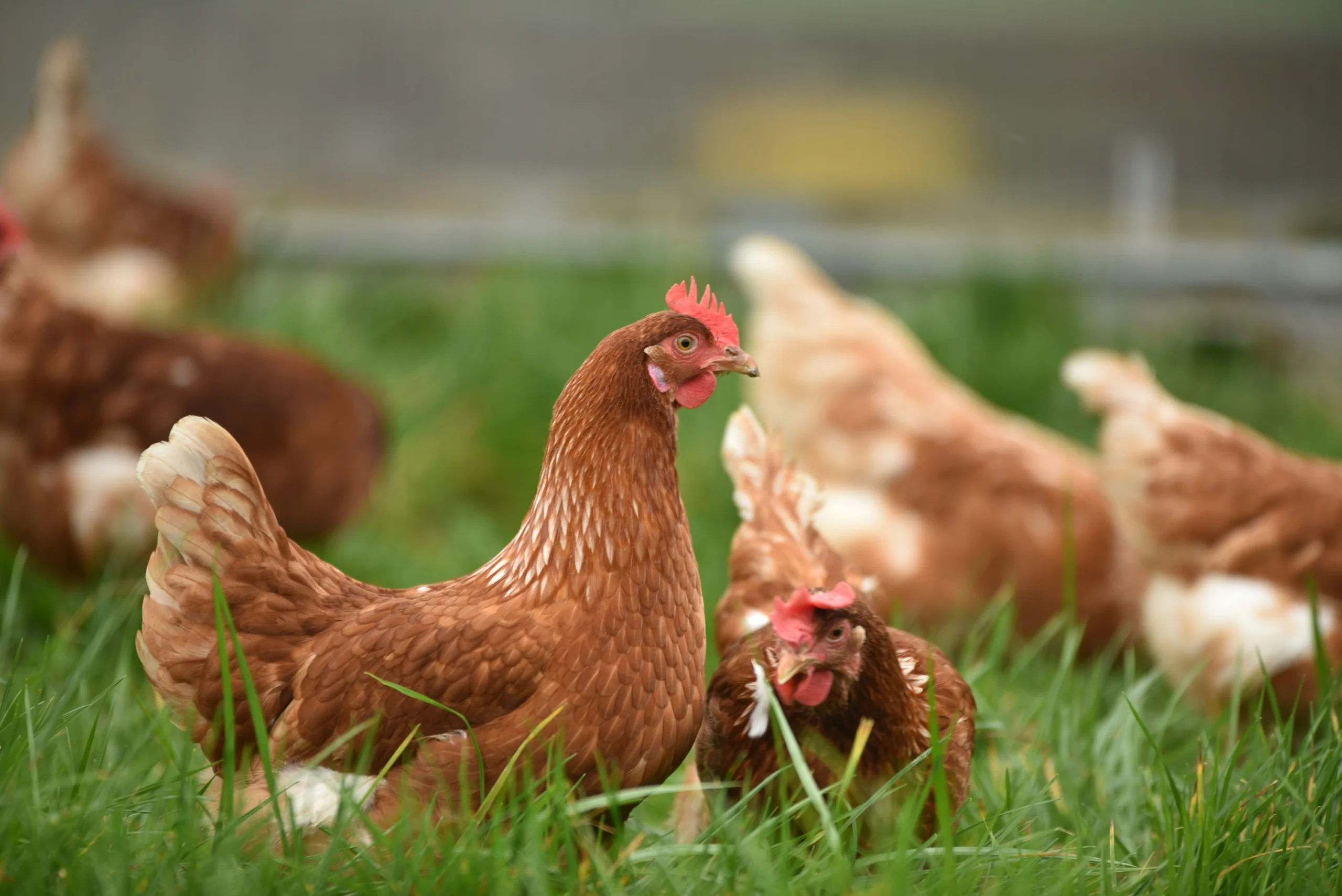
In May 2026, dsm-firmenich reported an investigation of two poultry complexes with identical genetics, feed and production systems but significantly different performance. By combining microbiome profiling, blood biomarkers, and production data, they identified important biological differences.
One finding particularly caught our attention at BioAnalyt:
dsm-firmenich reported strong associations between blood carotenoid levels and Lactobacillus species. According to the authors, these findings contributed to recommendations for probiotic inclusion and maintenance of butyrate levels throughout the growth cycle (1).
Why does this matter?
Blood carotenoids have also been investigated as potential indicators of intestinal functionality and productive performance in broiler chickens. In a 2025 study published in Frontiers in Physiology, Bittencourt, Silveira and Menten analyzed data from five experiments involving 9,125 broilers. The researchers found that nutritional-additive supplementation was associated with higher blood carotenoid concentrations, while blood carotenoid levels were positively correlated with weight gain and negatively correlated with feed conversion (2). Importantly for practical applications, total blood carotenoids were measured using iCheck™ CAROTENE.
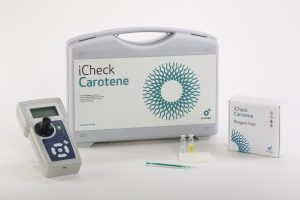
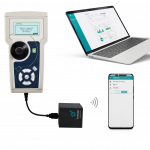
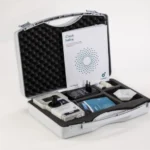
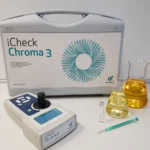
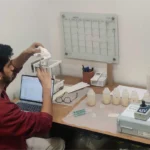
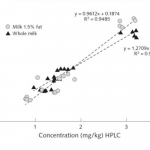
BioAnalyt’s portable photometric system enables rapid quantitative measurement of total carotenoids in biological samples, including blood. This makes repeated measurements possible directly in feeding trials or close to the production environment.
iCheck Carotene does not measure gut health. But it provides rapid access to a blood parameter that has been associated with intestinal functionality and productive performance in broilers, and more recently with microbiome characteristics in a real-world poultry case.
This opens interesting opportunities for feeding trials, nutritional interventions and precision poultry nutrition.
Measure what reaches the animal and learn from its biological response.
Sources
- dsm-firmenich (2026). “Microbiome insights that improve poultry performance.”
https://www.dsm-firmenich.com/anh/news/feed-talks/articles/microbiome-insights-that-improve-poultry-performance.html - Bittencourt LC, Silveira RMF, Menten JFM (2025). “Blood carotenoids as a biomarker of intestinal functionality and performance in broiler chickens.” Frontiers in Physiology, 16:1706730. DOI: 10.3389/fphys.2025.1706730.