


Food fortification is one of the most effective ways to address micronutrient deficiencies at scale. But setting fortification standards is only the beginning.
For fortified foods to deliver their intended nutritional benefits, manufacturers need systems that consistently verify what is happening throughout production from the quality of incoming premix to the nutrient levels in finished products. Regulators, in turn, need reliable information to assess compliance and support effective oversight.
Recent case studies from the Millers for Nutrition coalition, developed by Endeva, show how food producers across Africa and Asia are strengthening these systems in practice. Together, they highlight a common lesson: effective large-scale food fortification (LSFF) depends not only on standards, but on the ability to measure, verify, and continuously improve performance.
Making consistency measurable at scale
For large food producers operating across multiple facilities, maintaining consistent fortification can be a significant challenge. Differences in raw materials, equipment, processes, and personnel can all affect micronutrient levels.

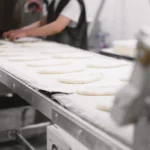
Flour Mills of Nigeria Plc (FMN) has addressed this challenge through a centralized quality assurance and quality control system spanning its milling network. The approach combines centralized premix management, standardized procedures, trained personnel, laboratory testing, and independent verification.
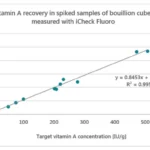
Within this system, FMN’s laboratory uses BioAnalyt’s iCheck system to validate iron and vitamin A levels in finished flour products. The company also sends samples for external analysis, creating multiple layers of verification. This combination of centralized oversight, routine testing, and technical capacity has helped FMN maintain consistent fortification across multiple production sites.
The example demonstrates that quality assurance at scale requires more than a single test or inspection. It requires reliable systems that enable manufacturers to identify deviations, respond to them, and maintain consistency over time.
From compliance requirement to quality advantage
For West African Soy Industries Limited (WASIL) in Nigeria, fortification has evolved from a regulatory obligation into a strategic component of product quality.

Vitamin A is sensitive to heat, oxidation, and light, creating technical challenges for edible oil producers. WASIL has responded with a comprehensive approach that includes fortifying after deodorization, monitoring oxidation, managing premix quality, using automated dosing, and conducting stability studies across the product’s shelf life.
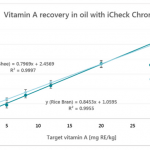
In-house testing is another important part of this system. The case study highlights the use of BioAnalyt testing technologies, including iCheck and iCheck Chroma, to strengthen quality control and build confidence in analytical results. Alongside independent verification, these tools help the company monitor performance and reinforce its broader quality management approach.
WASIL’s experience illustrates a broader point: when businesses can measure quality reliably, compliance becomes more than a regulatory requirement. It can become part of a company’s operational discipline, reputation, and competitive advantage.
Building trust through shared understanding
Quality assurance also depends on collaboration between industry and government.
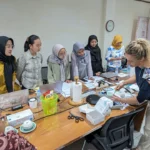
In Tanzania, Wilmar hosted approximately 20 newly recruited food fortification inspectors from the Tanzania Bureau of Standards for a practical training visit. The inspectors were taken through the fortification process, including premix handling, dosing, quality control, and the points where problems can occur.

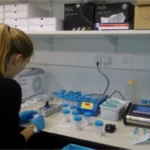
The visit concluded in Wilmar’s quality control laboratory, where inspectors saw how samples were tested using the iCheck Chroma system, how results were documented, and how testing informed continuous improvement.
This kind of practical engagement helps bridge the gap between regulatory requirements and real-world production. It gives inspectors a clearer understanding of industrial fortification while helping manufacturers build stronger relationships with regulators.
From standards to proof
Across these examples, the message is clear: strong fortification systems need more than standards. They need capable people, robust processes, reliable testing, and collaboration across the value chain.
Whether supporting quality control across multiple production sites, helping manufacturers monitor nutritional quality in-house, or giving regulators insight into how fortification is managed in practice, accessible analytical tools play an important role in making fortification measurable.
For food producers and regulators alike, the ability to generate timely, reliable information is essential to turning fortification commitments into consistent nutritional outcomes.
Source:
https://www.technoserve.org/resources/case-studies-building-markets-for-better-nutrition/