

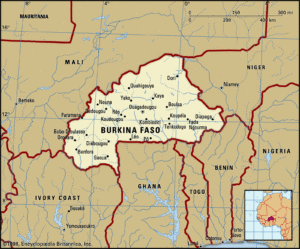
Micronutrient deficiencies continue to pose a serious public health challenge in Burkina Faso, particularly for women of reproductive age, pregnant women, and young children. While national food fortification policies and standards are in place, their impact depends on one critical factor: effective monitoring and enforcement in real-world conditions.
Without adequate technical capacity and appropriate tools, fortified foods may reach consumers without delivering the intended nutritional benefits. This gap between policy and practice is where targeted capacity building and practical monitoring solutions become essential.
This case from Burkina Faso highlights how BioAnalyt supports governments and development partners in strengthening food fortification monitoring systems through hands-on training and rapid, field-ready testing technologies.
From Policy Commitments to Real-World Compliance
Recognising the public health burden of micronutrient deficiencies, the Government of Burkina Faso supported by technical and financial partners has made significant progress in promoting large-scale food fortification (LSFF). These efforts include national policies and regulations, multisectoral coordination mechanisms, and formal quality control requirements for fortified foods.
However, program evaluations continue to reveal challenges in implementation. According to the 2020 National Micronutrient Survey, only 5.7% of salt and 23.7% of edible oil sampled met national fortification requirements, while no wheat flour samples were compliant. These findings underscore a persistent gap between regulatory frameworks and effective compliance on the ground.
Closing Capacity and Equipment Gaps
Limited technical skills among inspectors and laboratory staff, combined with insufficient access to suitable analytical equipment, remain key barriers to effective monitoring. To address these challenges, GIZ implemented a targeted capacity-building initiative under its LSFF program.
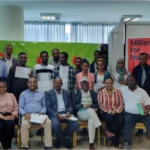
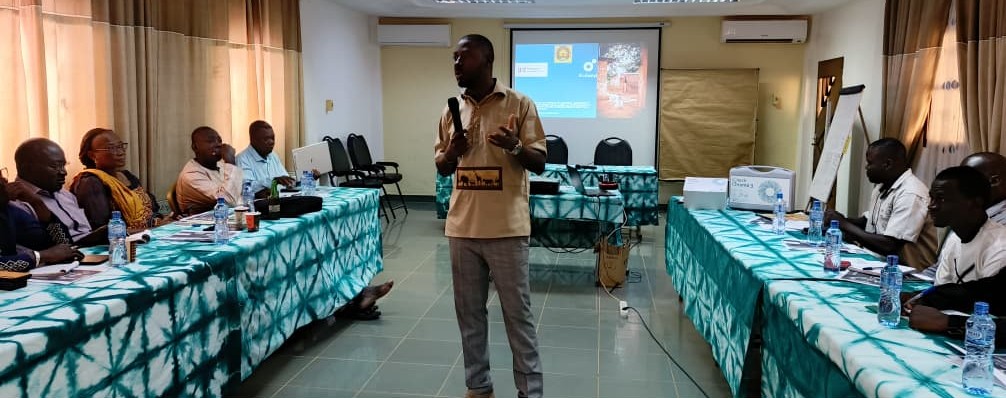
In October 2025, a two-day training workshop was organised and co-financed by GIZ/PAH and the Gates Foundation, with the objective of strengthening regulatory inspection and quality control systems for fortified foods.
This training program builds on ongoing LSFF efforts in Burkina Faso, complementing policy and regulatory reforms with practical capacity building for frontline monitoring and enforcement actors.
Practical Training for Effective Monitoring
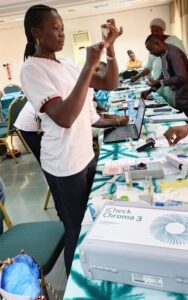
The training combined conceptual foundations with intensive hands-on practice. Participants strengthened their capacity in:
- Understanding micronutrient deficiencies and fortification standards
- Sampling methodologies and analytical procedures
- Interpreting results for regulatory decision-making
- Applying quality assurance principles under field conditions
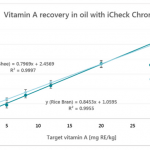
A particular focus was placed on rapid testing technologies for iodine in salt and vitamin A in refined vegetable oil, responding to the need for timely, reliable, and scalable monitoring tools.
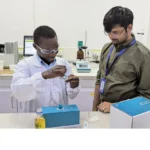
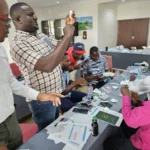
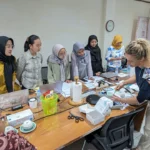
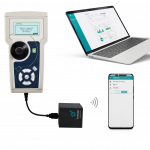
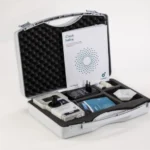
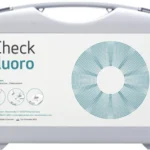
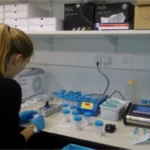
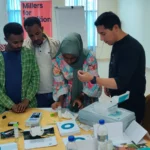
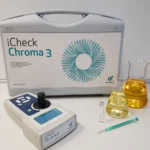
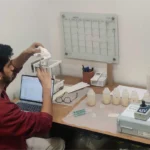
BioAnalyt experts Dr. Leona Kovac and Christian Cheumani led the hands-on sessions, guiding participants through step-by-step demonstrations and practical exercises using iCheck Iodine and iCheck Chroma 3. Participants learned how to independently verify compliance in real time, reducing reliance on delayed laboratory analysis and enabling faster corrective action by producers.
What Changed and Why It Matters
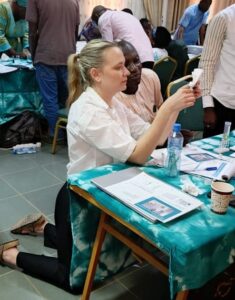
The workshop brought together 32 participants from key institutions, including the Directorate of Nutrition, food safety and standards authorities, inspection services, and edible oil producers.
By strengthening technical capacity and providing access to practical monitoring tools, the training supports:
- More consistent and timely regulatory enforcement
- Clearer compliance feedback for producers
- Improved credibility and harmonisation of monitoring data for national programs and donors
Beyond individual skill development, the initiative contributed to reinforcing institutional systems for quality control and regulatory oversight. Over time, these improvements are expected to increase compliance rates for fortified salt and edible oil supporting better nutrition outcomes for vulnerable populations.
Supporting Fortification Programs Beyond Burkina Faso
BioAnalyt works with governments, NGOs, development partners, and food producers to strengthen food fortification monitoring through tailored capacity-building initiatives and rapid testing solutions designed for field and laboratory use.
Read about our technical capacity building initiatives in West Africa here.
Looking to strengthen food fortification monitoring in your country or program?
Contact us at contact@quimpact.org to explore technical support, training, or pilot initiatives.
Reference
Ministry of Health, Directorate of Nutrition. (2020). National Micronutrient Survey (ENM): Assessment of compliance with food fortification standards. Burkina Faso.