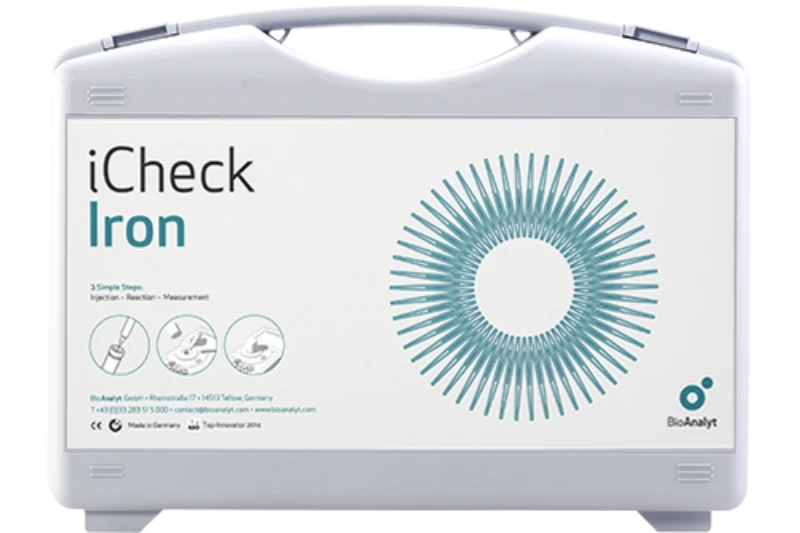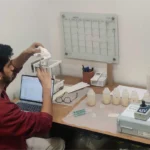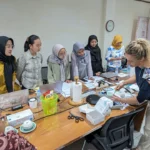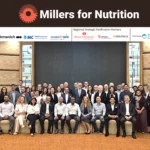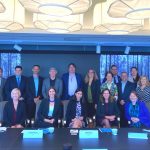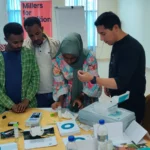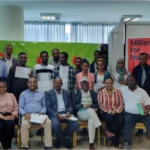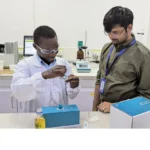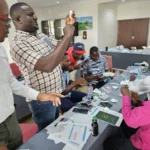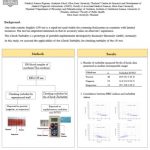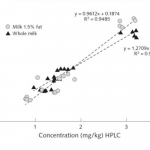



From 4 to 7 November 2025, BioAnalyt collaborated with the Global Alliance for Improved Nutrition (GAIN) to deliver an intensive technical training in Benin aimed at improving the monitoring and control of fortified foods. Facilitated by Dr. Leona Kovac and Christian Cheumani, the workshop included hands-on instruction and practical demonstrations on the use of iCheck rapid testing devices for the quantification of iodine, vitamin A and iron. This training forms a core component of GAIN’s Large Scale Food Fortification (LSFF) project, which supports national efforts to expand access to adequately fortified foods.
Building Analytical Capacity to Strengthen Regulatory Oversight
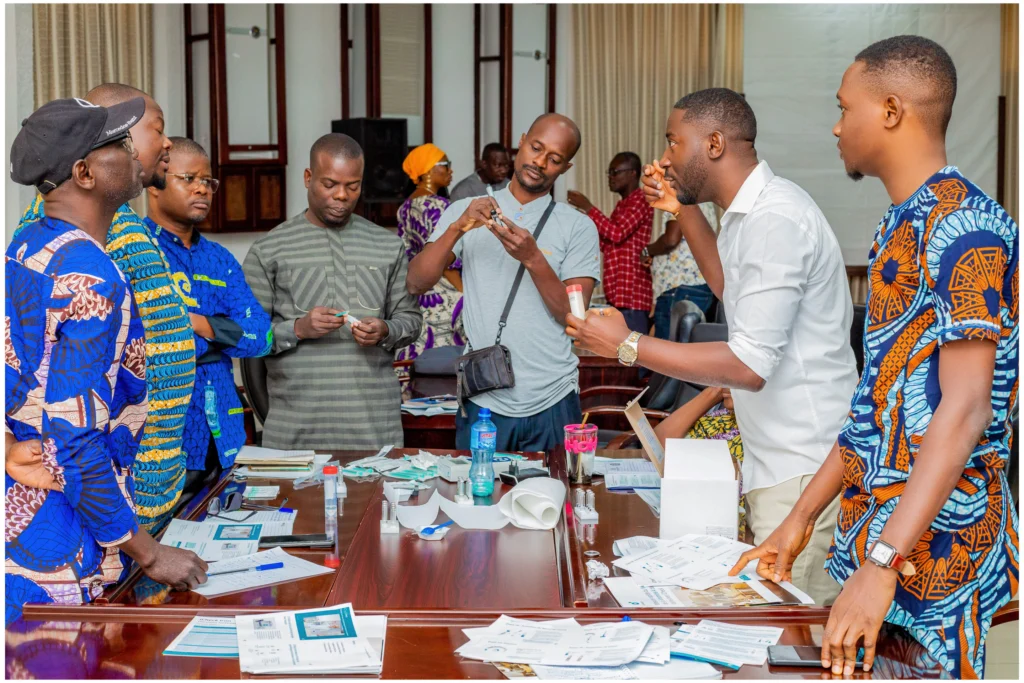
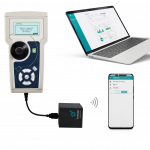
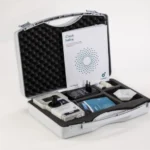
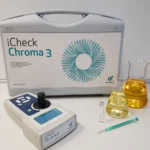
As Benin seeks to reinforce its regulatory framework for fortified salt, edible oil, and wheat flour, reliable analytical tools and competent personnel are essential. Needs assessments conducted in 2024 highlighted insufficient laboratory capacity, variability in analytical procedures and limited access to rapid testing equipment. In response, GAIN acquired twenty-two iCheck devices, including iCheck Iodine, iCheck Chroma 3 and iCheck Iron, to equip key laboratories and monitoring structures.
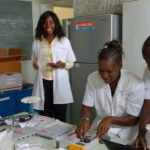
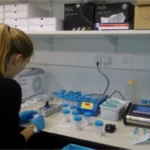
The training facilitated by BioAnalyt was designed to translate this investment into operational capacity. Participants completed detailed practical sessions using real samples, learning standardized procedures for sample preparation, measurement and interpretation of results. The workshop also established a national pool of fifty-five trainers who will extend these competencies across all regions and agencies involved in regulatory monitoring.
Expert Perspectives on Strengthening Compliance and Quality Assurance
To better understand the significance of this initiative, we spoke with Serge Londji, Project Coordinator for Food Fortification at GAIN Benin, who shared his perspective on the program’s impact.
When asked about the future adoption of fortified foods, Serge expressed optimism. He stated, “Thanks to the combined efforts of government authorities, the private sector, and partners like GAIN, we expect the adoption of fortified foods in Benin to grow steadily in the coming years. GAIN’s support to regulatory agencies such as ABSSA combined with the progressive availability of appropriate equipment and targeted training will strengthen the enforcement of fortification standards.” He added that renewed engagement from the National Food and Nutrition Agency (ANAN) will help “revive the National Food Fortification Alliance, which will play a key role in promoting and coordinating fortification efforts nationwide.”
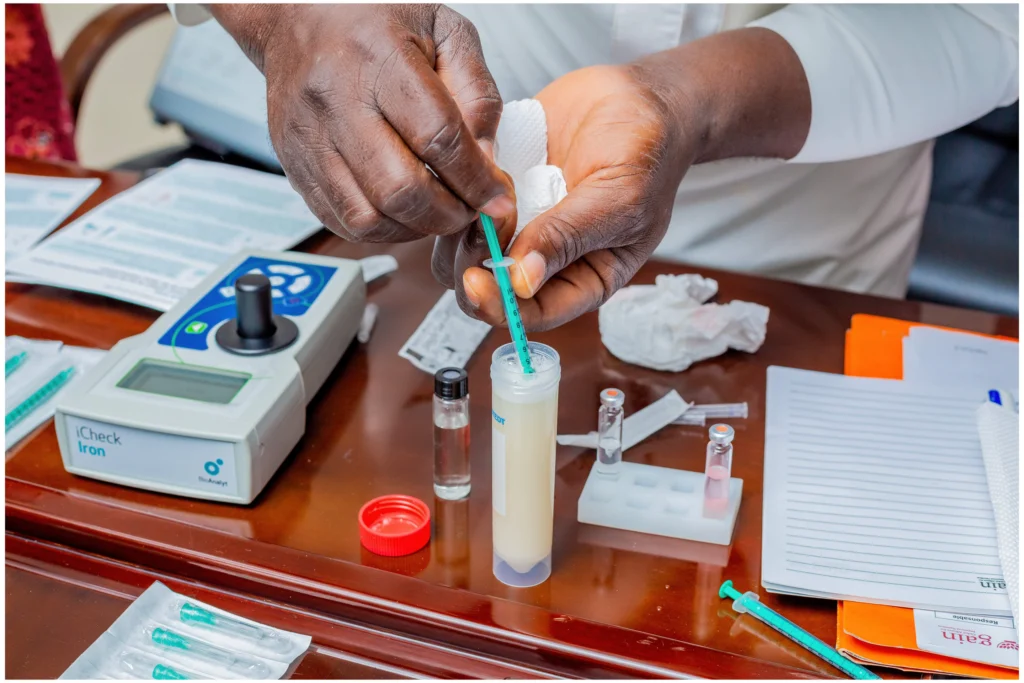
Serge emphasized the transformative impact of the new testing equipment and training program. “The 22 new iCheck devices and the pool of national 55 trainers significantly strengthen Benin’s capacity to control fortified foods,” he explained. “These tools will enable the country, for the first time, to systematically monitor all mandated fortified foods, salt, oil, and wheat flour. This represents a major step forward for the national fortification program.”
He further described the concrete improvements expected in daily monitoring practices. “The most important change is the establishment of a functional and systematic monitoring system for fortified foods, supported by quantitative results for iodine, iron, and vitamin A something that was previously lacking.” According to him, “control officers and laboratory staff will now be able to test fortified foods more frequently, with improved accuracy and faster turnaround.”
Reflecting on participant engagement, Serge noted, “The response to the training has been very positive. Participant attendance and engagement were excellent throughout the sessions. They particularly appreciated the hands-on approach, the clarity of the procedures, and the opportunity to test real samples using the iCheck equipment.” He added that many participants expressed confidence that “the knowledge and tools acquired will greatly enhance their daily work and contribute to strengthening the national food fortification system.”
He also highlighted GAIN’s continued commitment to industry support. “GAIN has conducted detailed needs assessments with partner SMEs and is working to address the identified gaps,” he said. “Our support is tailored and participatory, ensuring that companies receive the specific technical assistance, training, and follow-up they require to improve and maintain fortification standards.”
Driving Sustainable Improvements in Fortification Monitoring
The knowledge gained during this training will guide the next phase of Benin’s national fortification program. Certified trainers will finalize harmonized testing manuals, initiate the first rounds of fortified food inspections and deliver cascade trainings across regional teams. A national dashboard for rapid test results is also planned to support evidence-based decision-making and strengthen regulatory coordination.
Through targeted technical training and the deployment of reliable analytical tools, BioAnalyt and GAIN have equipped Benin with the foundation for a more consistent and sustainable monitoring system. This collaboration supports the country’s ongoing efforts to ensure that fortified foods meet nutritional standards and contribute meaningfully to reducing micronutrient deficiencies.
Contact us at contact@bioanalyt.com to learn how BioAnalyt can help strengthen your fortification programs and analytical capabilities.