

The challenge
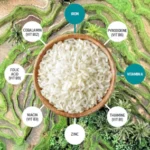
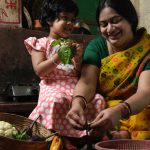
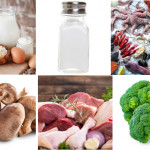
In impoverished communities, rice and maize are often the predominant sources of nutrition. With the absence of protein and micronutrient-rich vegetables from their diets, people can suffer from wasting, stunting and malnourishment. Homestead Food Production (HFP) program by HKI is helping to diversify diets through training and education, but it ran into challenges in encouraging the participants of the study to adopt the recommended diets.
The solution
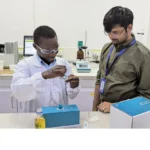
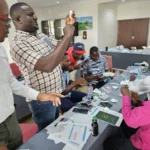
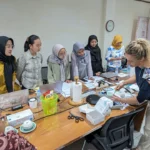
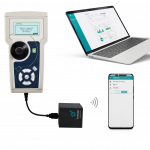
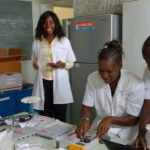
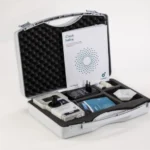
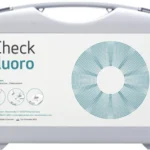
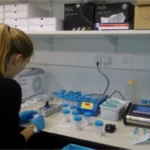
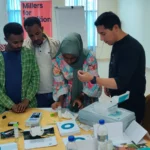
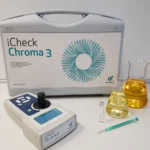
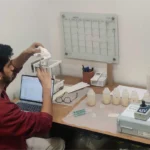
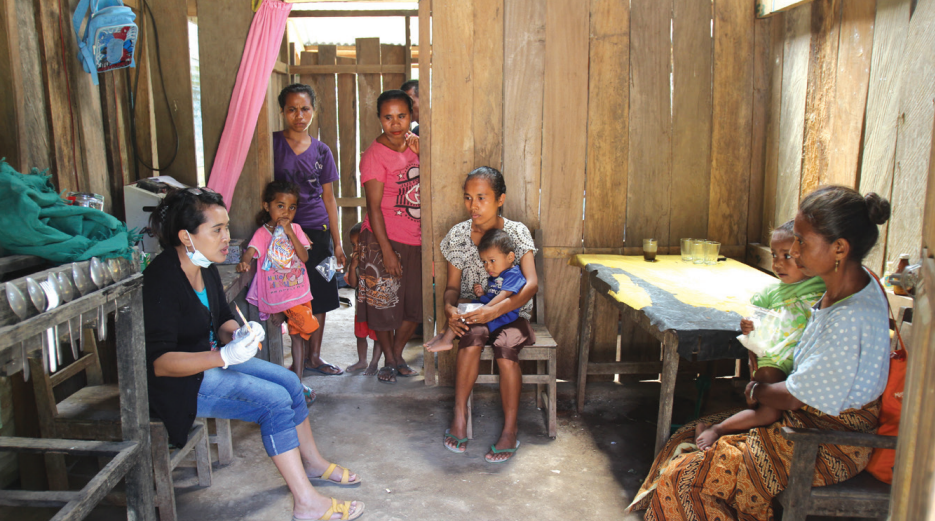
In the HFP program’s baseline study, blood samples had to be quickly frozen and analyzed at base camp – miles away from the participants’ villages – meaning that participants couldn’t find out the results of their blood tests. To encourage participation in the endline study, BioAnalyt’s iCheck Fluoro & iCheck Iodine were used to analyze blood, breast milk and salt samples on the spot, generating individual health cards with their personal data for the villagers.
“Based on the observations from the field, we received almost 100% participation at endline because our beneficiaries as well as family members were eager to know the results.”
Dian Hadihardjono, Program Coordinator, Helen Keller International
The result
Participation increased in the endline study as people were curious about the results of their tests. Moreover, BioAnalyt’s iCheck systems allowed participants to receive immediate feedback and counseling on their health and diets, encouraging sustainability of the four-year initiative.
To explore further stories on our collaboration with our partners, and how we help improve nutrition along the value chain, read here